I Have Swelling After Passing Stool – Is This Normal Piles or Surgery Needed?
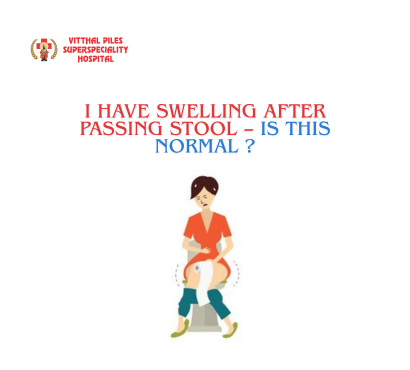
Lump Near My Anus
I Feel Burning After Bowel Movement – Is This Fissure or Piles?
I Feel Burning After Bowel Movement – Is This Fissure or Piles? Home → I Feel Burning After Bowel Movement – Is This Fissure or Piles? “Doctor, I feel a burning sensation after passing stool. Is it fissure or piles?” This is a very common concern, but the answer is not always as simple as choosing between the two. Burning around the anus after a bowel movement can occur with an anal fissure or piles, but the pattern of symptoms can be quite different. Constipation, frequent loose stools, irritation of the skin around the anus, and several other anorectal conditions can also cause discomfort. The timing of the pain can provide an important clue. A sharp or cutting pain during bowel movement followed by burning that continues for minutes or even hours is more suggestive of an anal fissure. Piles, on the other hand, may cause bleeding, itching, swelling, a lump, discomfort, or pain depending on whether they are internal or external. However, symptoms can overlap, and some people can have both conditions at the same time. That is why repeatedly treating the symptom without understanding its cause may not solve the problem. If you are experiencing burning after bowel movements, the first step is to understand what your symptoms may be telling you. What Does Burning After a Bowel Movement Mean? The anus contains highly sensitive tissue and a complex group of muscles. When this area becomes irritated, injured, swollen, or inflamed, bowel movements can become uncomfortable. Burning may occur: The exact sensation matters. A burning feeling that continues after bowel movement is particularly important because it can occur when an anal fissure causes irritation and muscle spasm in the anal canal. However, symptoms alone cannot establish a diagnosis. Anal Fissure: A Small Tear That Can Cause Significant Pain An anal fissure is a small tear or crack in the lining of the anus. Despite being small, it can be extremely uncomfortable because the area contains many sensitive nerve endings. One of the most common triggers is passing hard or dry stool. Significant straining can put additional pressure on the delicate tissue and contribute to a tear. A fissure can create a cycle that is difficult to break. A person experiences pain while passing stool, becomes worried about the next bowel movement, starts avoiding the toilet, and then develops harder stool because of delayed bowel movements. The harder stool can irritate or reopen the fissure, leading to another painful episode. This is one reason constipation management is an important part of fissure care. What Does Fissure Pain Feel Like? Fissure pain is often described as: The pain may continue for some time after passing stool because the internal anal muscle can go into spasm. This can make the discomfort feel much more intense than the size of the tear would suggest. Bright red blood may also appear on toilet paper or on the surface of the stool. Piles: How Are They Different? Piles, medically known as hemorrhoids, are swollen and inflamed veins in and around the anus or lower rectum. They are broadly classified as: Internal hemorrhoids develop inside the anal canal and commonly cause painless bright red bleeding, although prolapsed internal hemorrhoids can become uncomfortable or painful. External hemorrhoids develop beneath the skin around the anus. They may cause a tender lump, itching, swelling, or pain. Piles can therefore cause burning, but burning alone does not automatically mean you have piles. Fissure vs Piles: Understanding the Difference Knowing the typical pattern can help you understand why a clinical examination may be necessary. Anal fissure is more commonly associated with: Piles may be more commonly associated with: These patterns are useful clues, but they are not a substitute for diagnosis. Rectal bleeding can have several causes, so it should not automatically be attributed to piles. Why Constipation Can Make the Problem Worse Constipation is an important factor in both piles and fissures. When stools become hard, dry, or difficult to pass, people often strain more. Repeated straining increases pressure around the anal region and can aggravate existing hemorrhoids. With a fissure, hard stool can stretch the anal opening and reopen the healing tear. The result may be a repeating cycle: Hard stool → straining → pain or injury → fear of bowel movement → delayed stool → harder stool Breaking this cycle is often an important part of recovery. Can Loose Motions Cause Burning Too? Yes. Burning after bowel movement is not exclusively associated with constipation. Frequent loose stools can repeatedly expose the sensitive skin around the anus to stool and digestive secretions. Frequent wiping can add further irritation. People who have several bowel movements a day may therefore develop soreness and burning even without piles or fissures. If loose stools persist, the underlying reason should also be assessed rather than treating only the skin irritation. Why Toilet Habits Matter The way you use the toilet can influence anorectal symptoms. Spending a long time sitting on the toilet, repeatedly straining, or delaying bowel movements can contribute to problems. A healthier toilet routine includes: These simple habits can reduce unnecessary pressure on the anal region. Diet and Fibre: An Important Part of Prevention A diet containing adequate fibre can help maintain softer and more regular stools. Indian meals can naturally provide fibre through foods such as: The goal is not simply to eat a large quantity of fibre suddenly. A gradual increase, combined with adequate fluid intake, is generally more comfortable for the digestive system. If your diet is already high in fibre but constipation continues, there may be another contributing factor that needs attention. Staying Hydrated Adequate fluid intake supports normal bowel function. People who drink too little water may find that their stools become harder, particularly when combined with a low-fibre diet. Hydration requirements vary depending on factors such as climate, activity level, diet, age, and medical conditions. Rather than following a rigid number, maintain regular fluid intake unless your doctor has advised you to restrict fluids.