I Feel Burning After Bowel Movement – Is This Fissure or Piles?
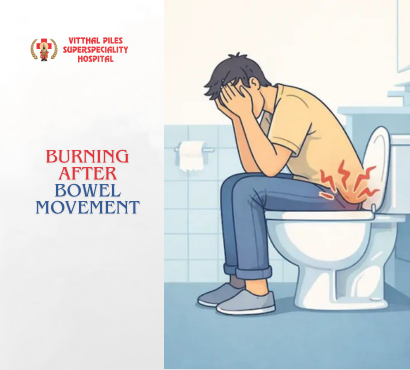
I Feel Burning After Bowel Movement – Is This Fissure or Piles? Home → I Feel Burning After Bowel Movement – Is This Fissure or Piles? “Doctor, I feel a burning sensation after passing stool. Is it fissure or piles?” This is a very common concern, but the answer is not always as simple as choosing between the two. Burning around the anus after a bowel movement can occur with an anal fissure or piles, but the pattern of symptoms can be quite different. Constipation, frequent loose stools, irritation of the skin around the anus, and several other anorectal conditions can also cause discomfort. The timing of the pain can provide an important clue. A sharp or cutting pain during bowel movement followed by burning that continues for minutes or even hours is more suggestive of an anal fissure. Piles, on the other hand, may cause bleeding, itching, swelling, a lump, discomfort, or pain depending on whether they are internal or external. However, symptoms can overlap, and some people can have both conditions at the same time. That is why repeatedly treating the symptom without understanding its cause may not solve the problem. If you are experiencing burning after bowel movements, the first step is to understand what your symptoms may be telling you. What Does Burning After a Bowel Movement Mean? The anus contains highly sensitive tissue and a complex group of muscles. When this area becomes irritated, injured, swollen, or inflamed, bowel movements can become uncomfortable. Burning may occur: The exact sensation matters. A burning feeling that continues after bowel movement is particularly important because it can occur when an anal fissure causes irritation and muscle spasm in the anal canal. However, symptoms alone cannot establish a diagnosis. Anal Fissure: A Small Tear That Can Cause Significant Pain An anal fissure is a small tear or crack in the lining of the anus. Despite being small, it can be extremely uncomfortable because the area contains many sensitive nerve endings. One of the most common triggers is passing hard or dry stool. Significant straining can put additional pressure on the delicate tissue and contribute to a tear. A fissure can create a cycle that is difficult to break. A person experiences pain while passing stool, becomes worried about the next bowel movement, starts avoiding the toilet, and then develops harder stool because of delayed bowel movements. The harder stool can irritate or reopen the fissure, leading to another painful episode. This is one reason constipation management is an important part of fissure care. What Does Fissure Pain Feel Like? Fissure pain is often described as: The pain may continue for some time after passing stool because the internal anal muscle can go into spasm. This can make the discomfort feel much more intense than the size of the tear would suggest. Bright red blood may also appear on toilet paper or on the surface of the stool. Piles: How Are They Different? Piles, medically known as hemorrhoids, are swollen and inflamed veins in and around the anus or lower rectum. They are broadly classified as: Internal hemorrhoids develop inside the anal canal and commonly cause painless bright red bleeding, although prolapsed internal hemorrhoids can become uncomfortable or painful. External hemorrhoids develop beneath the skin around the anus. They may cause a tender lump, itching, swelling, or pain. Piles can therefore cause burning, but burning alone does not automatically mean you have piles. Fissure vs Piles: Understanding the Difference Knowing the typical pattern can help you understand why a clinical examination may be necessary. Anal fissure is more commonly associated with: Piles may be more commonly associated with: These patterns are useful clues, but they are not a substitute for diagnosis. Rectal bleeding can have several causes, so it should not automatically be attributed to piles. Why Constipation Can Make the Problem Worse Constipation is an important factor in both piles and fissures. When stools become hard, dry, or difficult to pass, people often strain more. Repeated straining increases pressure around the anal region and can aggravate existing hemorrhoids. With a fissure, hard stool can stretch the anal opening and reopen the healing tear. The result may be a repeating cycle: Hard stool → straining → pain or injury → fear of bowel movement → delayed stool → harder stool Breaking this cycle is often an important part of recovery. Can Loose Motions Cause Burning Too? Yes. Burning after bowel movement is not exclusively associated with constipation. Frequent loose stools can repeatedly expose the sensitive skin around the anus to stool and digestive secretions. Frequent wiping can add further irritation. People who have several bowel movements a day may therefore develop soreness and burning even without piles or fissures. If loose stools persist, the underlying reason should also be assessed rather than treating only the skin irritation. Why Toilet Habits Matter The way you use the toilet can influence anorectal symptoms. Spending a long time sitting on the toilet, repeatedly straining, or delaying bowel movements can contribute to problems. A healthier toilet routine includes: These simple habits can reduce unnecessary pressure on the anal region. Diet and Fibre: An Important Part of Prevention A diet containing adequate fibre can help maintain softer and more regular stools. Indian meals can naturally provide fibre through foods such as: The goal is not simply to eat a large quantity of fibre suddenly. A gradual increase, combined with adequate fluid intake, is generally more comfortable for the digestive system. If your diet is already high in fibre but constipation continues, there may be another contributing factor that needs attention. Staying Hydrated Adequate fluid intake supports normal bowel function. People who drink too little water may find that their stools become harder, particularly when combined with a low-fibre diet. Hydration requirements vary depending on factors such as climate, activity level, diet, age, and medical conditions. Rather than following a rigid number, maintain regular fluid intake unless your doctor has advised you to restrict fluids.
Bleeding While Passing Stool – Should You Worry?
Bleeding While Passing Stool – Should You Worry? Home → Blog My Anal Area Bleeds When I Pass Stool – Should I Worry or Wait? Seeing blood after passing stool can be frightening. For many people, it comes as a complete surprise. You may notice a few drops of bright red blood on the toilet paper, streaks of blood on the stool, or even blood in the toilet bowl. It is natural to feel anxious and wonder whether it is something serious. Some people ignore the problem because the bleeding stops after a day or two. Others assume it is just piles and start using over-the-counter creams without consulting a doctor. Unfortunately, both approaches can be risky. While bleeding during bowel movements is commonly linked to piles or anal fissures, it can also be caused by other conditions that require timely medical attention. The important thing to remember is that bleeding while passing stool is a symptom, not a diagnosis. The amount of blood does not always indicate the seriousness of the condition. Even a small amount of bleeding that keeps recurring should not be ignored. This article explains why bleeding while passing stool occurs, the most common causes, warning signs that need immediate attention, available treatment options, and when it is advisable to seek medical care. Is Bleeding While Passing Stool Always Caused by Piles? No. Although piles are one of the most common causes of rectal bleeding, they are certainly not the only reason. Several conditions affecting the anal canal, rectum, or lower digestive tract may result in blood during or after bowel movements. Understanding the possible causes is important because the treatment varies depending on the underlying problem. Assuming that every episode of rectal bleeding is due to piles may delay the diagnosis of other medical conditions. What Does the Colour of Blood Indicate? The colour of the blood can sometimes provide useful information about where the bleeding is coming from. Bright Red Blood Fresh, bright red blood usually indicates bleeding from the lower part of the digestive tract, such as the anus or rectum. It is commonly seen in conditions like piles and anal fissures. Dark Red Blood Dark red blood may suggest bleeding from higher up in the colon and should always be evaluated by a doctor. Black or Tarry Stool Black stools can indicate bleeding from the upper digestive tract, such as the stomach or small intestine. This requires prompt medical assessment. Although colour provides clues, it cannot confirm the exact diagnosis. A medical examination is still necessary. Common Causes of Bleeding While Passing Stool 1. Piles (Hemorrhoids) Piles are enlarged veins in the anal canal that can bleed when irritated during bowel movements. Bleeding from piles is usually painless and appears as bright red blood on the toilet paper or in the toilet bowl. Other symptoms may include: Itching around the anus Swelling A soft lump near the anal opening Mucus discharge Discomfort while sitting In many cases, bleeding occurs because hard stools rub against the swollen veins. 2. Anal Fissure An anal fissure is a small tear in the lining of the anal canal. Unlike piles, fissures usually cause severe pain during and after passing stool. Many patients describe the pain as sharp or burning. Bleeding is generally small in quantity but may recur if constipation continues. 3. Constipation Chronic constipation itself can contribute to rectal bleeding. Hard stools stretch the anal canal, increasing the risk of both piles and fissures. Repeated straining places pressure on the blood vessels around the rectum, making bleeding more likely. Preventing constipation is therefore one of the most effective ways to reduce the risk of recurring anorectal problems. 4. Anal Fistula or Infection An anal fistula usually develops after an infection near the anus. Although bleeding is not always the main symptom, some patients notice blood mixed with pus or discharge. Other symptoms include: Persistent pain Swelling Recurrent discharge Skin irritation Fever If these symptoms are present, seeking evaluation at a fistula treatment hospital in Pune can help identify the underlying condition and ensure timely treatment. 5. Inflammatory Bowel Conditions Certain digestive disorders can also lead to rectal bleeding. These conditions are often associated with: Frequent diarrhoea Abdominal pain Weight loss Fatigue Blood mixed with stool Unlike piles, these conditions affect the intestines and require specialised medical evaluation. Can You Wait and Watch? Many people hope that bleeding will stop on its own, especially if it happens only once. In some cases, a minor fissure caused by passing a hard stool may heal naturally with adequate hydration, dietary fibre, and proper bowel habits. However, repeated episodes of bleeding while passing stool should never be ignored. Even if the amount of blood appears small, recurring bleeding may indicate an ongoing condition that requires medical attention. Waiting too long can result in worsening symptoms, anaemia due to repeated blood loss, or delayed diagnosis of conditions that are easier to treat in their early stages. When Is It Safe to Monitor Symptoms at Home? You may observe your symptoms for a short period if: The bleeding occurred only once. It followed a hard bowel movement. The amount of blood was very small. There are no other symptoms such as fever, severe pain, weight loss, or continuous bleeding. During this time, focus on increasing fibre intake, drinking enough water, avoiding constipation, and reducing straining while passing stool. If the bleeding returns, do not continue self-treatment without consulting a doctor. Warning Signs You Should Never Ignore Although occasional bleeding after passing a hard stool may not always indicate a serious condition, there are situations where delaying medical attention can make the problem worse. Many anorectal disorders become easier to treat when diagnosed early, which is why recognising warning signs is essential. Seek medical advice without delay if you notice: Bleeding that continues for more than two or three bowel movements Large amounts of blood in the toilet bowl Severe pain while passing stool A painful swelling around the anus Fever
Pain While Sitting – Is It Piles or Something Else?
Pain While Sitting – Is It Piles or Something Else? Home → Pain While Sitting – Is It Piles or Something Else? Doctor, I Have Pain While Sitting – Is It Piles or Something Else? Most people don’t think twice about sitting down. Whether it’s during office work, driving, studying, travelling, or simply relaxing at home, sitting is a normal part of daily life. But when sitting becomes uncomfortable or painful, even routine activities can start feeling difficult. One common concern many people have is, “Doctor, I have pain while sitting. Is it piles?” The answer is not always straightforward. Pain in the anal or rectal region can occur for several reasons. While piles (also known as hemorrhoids) are a common cause, they are certainly not the only one. Conditions such as anal fissures, anal fistulas, infections, abscesses, muscle strain, or even prolonged constipation can all cause discomfort while sitting. Unfortunately, because many of these conditions affect a sensitive area of the body, people often hesitate to discuss them or seek medical advice. Instead, they wait, hoping the pain will disappear on its own. Ignoring persistent pain, however, may allow the underlying problem to worsen. Early identification of the cause not only makes treatment easier but also helps prevent unnecessary complications and prolonged discomfort. This article explains why sitting can become painful, how to identify whether piles might be responsible, what other conditions can cause similar symptoms, and when it is time to consult a medical professional. Understanding Pain While Sitting Pain while sitting is not a disease itself; it is a symptom that signals something may be affecting the tissues around the anus or rectum. The discomfort may be mild, moderate, or severe depending on the underlying condition. Some people describe the pain as: A sharp, stabbing sensation Burning discomfort Constant pressure Throbbing pain A feeling of swelling Pain only during sitting Pain that continues after bowel movements The exact nature of the pain often provides valuable clues about what may be causing it. For example, someone with swollen external piles may feel discomfort mainly while sitting for long periods. In contrast, a person with an anal fissure often experiences intense pain during and immediately after passing stool. Understanding these differences helps doctors arrive at the correct diagnosis. Can Piles Really Cause Pain While Sitting? Yes—but not in every case. Piles are swollen veins inside or around the anus and lower rectum. Similar to varicose veins in the legs, these veins become enlarged due to increased pressure over time. Internal piles generally develop inside the rectum and often cause painless bleeding rather than pain. External piles, however, form beneath the skin surrounding the anus and are more likely to become painful, especially if a blood clot develops within them. Pain usually becomes noticeable when: External piles become swollen Blood clots develop There is irritation after bowel movements Sitting places pressure on the swollen veins Many patients notice that the pain worsens after sitting continuously at work, during long drives, or while travelling. Common Symptoms That Suggest Piles Pain alone cannot confirm piles. However, when combined with certain symptoms, piles become more likely. Some common signs include: Bright Red Bleeding Fresh blood on toilet paper or in the toilet bowl after passing stool is one of the most common symptoms. Itching Around the Anus Persistent itching may occur because mucus from prolapsing piles irritates the surrounding skin. Swelling Some patients notice a soft lump near the anus that becomes more obvious after bowel movements. Feeling of Incomplete Emptying Large internal piles may create a sensation that the bowel has not emptied completely. Discomfort During Sitting External piles may become painful whenever body weight places pressure on the affected area. When Pain Is Probably NOT Due to Piles One of the biggest misconceptions is assuming every anal pain is caused by hemorrhoids. In reality, several other conditions produce similar symptoms and may require entirely different treatment. Anal Fissure An anal fissure is a small tear in the skin lining the anal canal. Unlike piles, fissures usually produce severe, cutting pain during bowel movements. People often describe the sensation as passing broken glass. The pain may continue for several hours after using the toilet and can make sitting extremely uncomfortable. Constipation and passing hard stools remain the leading causes. Anal Fistula An anal fistula is an abnormal tunnel that develops between the inside of the anal canal and the surrounding skin. Symptoms often include: Persistent pain Swelling Recurrent pus discharge Bad smell Skin irritation Fever in some cases Unlike piles, fistulas usually do not improve with home remedies and often require specialised medical treatment. People experiencing persistent discharge or repeated infections should avoid delaying medical consultation. Perianal Abscess An abscess is a collection of infected pus around the anal region. It often causes: Constant throbbing pain Fever Swelling Difficulty sitting Pain while walking This condition requires prompt medical attention because untreated infections can spread. Muscle or Tailbone Pain Sometimes the source of pain isn’t the anus at all. People who sit for long hours, especially office workers, drivers, and students, may develop muscle strain around the pelvic floor or inflammation near the tailbone (coccyx). These conditions often become worse after prolonged sitting but improve with movement. Unlike piles, there is usually no bleeding or swelling around the anus. Lifestyle Factors That Increase the Risk Several everyday habits increase pressure around the anal region and contribute to anorectal problems. These include: Chronic Constipation Passing hard stools repeatedly puts excessive strain on the veins around the rectum. Sitting for Long Hours Desk jobs, long-distance driving, and sedentary lifestyles reduce blood circulation and increase pressure in the pelvic region. Low-Fibre Diet Insufficient fibre makes stools harder and increases straining. Inadequate Water Intake Not drinking enough water contributes to constipation and difficult bowel movements. Pregnancy Pregnant women commonly develop piles because of hormonal changes and increased pressure from the growing uterus. Obesity Extra body weight places additional pressure on pelvic veins. Why Self-Diagnosis Can Be
Pregnancy and Piles: Causes, Symptoms, Safe Treatment, and Prevention Tips
Pregnancy and Piles: Causes, Symptoms, Safe Treatment, and Prevention Tips Home → Blog Pregnancy is a beautiful journey, but it also brings several physical changes that can lead to discomfort. One common concern many expectant mothers experience is piles during pregnancy. Also known as hemorrhoids, piles can cause pain, itching, swelling, and bleeding during bowel movements. While they are common, they should never be ignored if symptoms become severe or persistent. Many women search for expert guidance from a Proctologist in pune during pregnancy to understand the safest treatment options and prevent complications. Early consultation and proper care can significantly improve comfort throughout pregnancy. At Vitthal Piles Super Speciality Hospital, experienced specialists including Dr. Atul Patil, Dr. Sarita Patil, Dr. Vikram Pawar, and Anjali Vikram Pawar provide personalized care for piles and other anorectal conditions using modern and minimally invasive treatment methods. Why Do Piles Develop During Pregnancy? Piles are swollen veins in the rectum or around the anus. Pregnancy increases the chances of developing them due to several natural changes occurring inside the body. The most common reasons include: Increased pressure from the growing uterus on the pelvic veins Hormonal changes that relax blood vessel walls Constipation, which is common during pregnancy Straining during bowel movements Increased blood volume causing veins to enlarge According to the American College of Obstetricians and Gynecologists (ACOG), constipation affects up to 38% of pregnant women, making piles a frequent pregnancy related concern. Many women notice piles during the second or third trimester, while others develop symptoms after childbirth due to prolonged pushing during delivery. Common Symptoms of Pregnancy Piles The symptoms may vary depending on the severity of the condition. Some women experience only mild discomfort, while others develop painful swelling. Common signs include: Pain during bowel movements Bright red bleeding after passing stool Itching around the anus Swelling or a lump near the anal opening Burning sensation Feeling of incomplete bowel evacuation Although mild piles often improve after delivery, persistent bleeding or severe pain should always be evaluated by a specialist. Is It Safe to Treat Piles During Pregnancy? Yes. Most pregnancy related piles can be managed safely with conservative treatment. Surgery is usually avoided during pregnancy unless absolutely necessary. Doctors generally recommend: Increasing fibre intake Drinking adequate water Regular gentle exercise Avoiding prolonged sitting Taking doctor approved stool softeners when required Warm sitz baths for pain relief Self medication should always be avoided during pregnancy. Every medicine should only be taken after consulting your treating doctor. Lifestyle Changes That Can Help Prevent Piles Simple daily habits can greatly reduce the risk of developing piles during pregnancy. 1. Eat a High Fibre Diet Foods rich in fibre soften stools and reduce straining. Good choices include: Fresh fruits Green leafy vegetables Whole grains Oats Lentils Seeds Aim for approximately 25 to 30 grams of fibre every day. 2. Stay Well Hydrated Adequate water intake helps maintain soft stools and prevents constipation. Most pregnant women require around 2 to 3 litres of fluids daily unless advised otherwise by their doctor. 3. Keep Moving Gentle physical activity improves digestion and blood circulation. Suitable exercises include: Walking Prenatal yoga Stretching Pelvic floor exercises Always follow your obstetrician’s recommendations before beginning any exercise routine. When Should You Consult a Specialist? Many women hesitate to discuss piles because they feel embarrassed. However, seeking medical advice early can prevent worsening symptoms. Consult a doctor if you experience: Continuous bleeding Severe pain Large swelling around the anus Difficulty sitting Persistent constipation despite lifestyle changes Symptoms lasting beyond pregnancy Early diagnosis allows doctors to recommend safe treatment options suitable for both mother and baby. Can Laser Treatment Be Done After Pregnancy? If piles persist after delivery and conservative treatment fails, minimally invasive laser procedures may be recommended. Modern Laser treatment for piles in pune offers several advantages: Less pain Minimal bleeding Faster recovery Short hospital stay Lower risk of recurrence when combined with lifestyle changes Your doctor will determine the most suitable treatment based on your condition after childbirth. Can Pregnancy Piles Be Prevented Completely? Not always. Pregnancy naturally increases the risk due to hormonal and physical changes. However, following healthy habits can significantly reduce the chances: Never delay bowel movements Avoid excessive straining Eat fibre rich foods daily Drink sufficient water Stay physically active Maintain a healthy pregnancy weight Attend regular antenatal checkups These small changes often make a significant difference throughout pregnancy. Expert Care for Pregnancy Related Piles Pregnancy should be remembered as a joyful experience, not one filled with discomfort from piles. Timely diagnosis, healthy lifestyle changes, and expert medical guidance can help manage symptoms safely and effectively. At Vitthal Piles Super Speciality Hospital, experienced specialists including Dr. Atul Patil, Dr. Sarita Patil, Dr. Vikram Pawar, and Anjali Vikram Pawar provide compassionate care for piles, fissures, fistula, and other anorectal conditions using evidence based treatment approaches tailored to each patient. If you are experiencing symptoms during or after pregnancy, consult our specialists for expert piles treatment in pune . Our team focuses on safe, personalized care to help you recover comfortably while protecting your overall health. For comprehensive anorectal care, connect with an experienced proctologist in Pune who can accurately diagnose your condition and recommend the most appropriate treatment. Learn more about maintaining long term anorectal health through our dedicated Piles Care services and receive trusted guidance from experienced specialists. Related Services Piles Treatment Fissure Treatment Fistula Treatment Need Expert Consultation? Our specialists are here to help you with safe and advanced treatment for piles and other anorectal conditions. Book Appointment Now