Pregnancy is a beautiful journey, but it also brings several physical changes that can lead to discomfort. One common concern many expectant mothers experience is piles during pregnancy. Also known as hemorrhoids, piles can cause pain, itching, swelling and bleeding during bowel movements. While they are common, they should never be ignored if symptoms become severe or persistent.
Many women search for expert guidance from a Proctologist in Pune during pregnancy to understand the safest treatment options and prevent complications. Early consultation and proper care can significantly improve comfort throughout pregnancy.
At Vitthal Piles Super Speciality Hospital, experienced specialists including Dr. Atul Patil, Dr. Sarita Patil, Dr. Vikram Pawar and Anjali Vikram Pawar provide personalized care for piles and other anorectal conditions using modern and minimally invasive treatment methods.
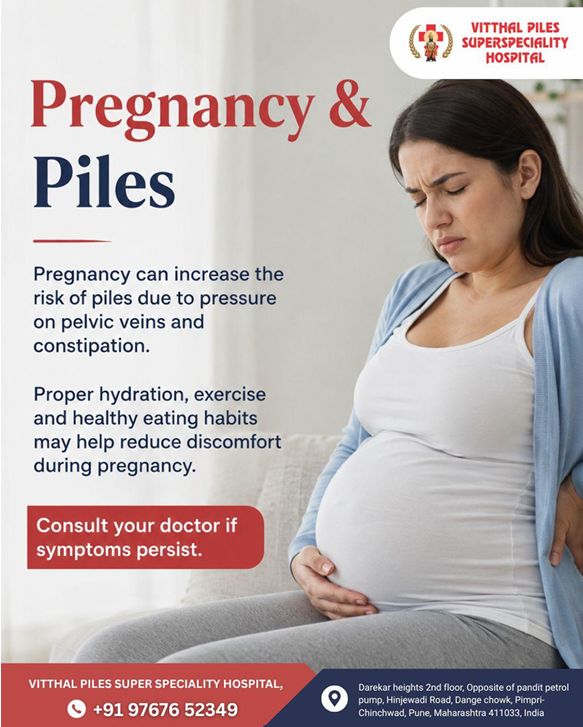
Piles are swollen veins in the rectum or around the anus. Pregnancy increases the chances of developing them due to several natural changes occurring inside the body.
The most common reasons include:
According to the American College of Obstetricians and Gynecologists (ACOG), constipation affects up to 38% of pregnant women, making piles a frequent pregnancy-related concern. Many women notice piles during the second or third trimester, while others develop symptoms after childbirth due to prolonged pushing during delivery.
The symptoms may vary depending on the severity of the condition. Some women experience only mild discomfort, while others develop painful swelling.
Common signs include:
Although mild piles often improve after delivery, persistent bleeding or severe pain should always be evaluated by a specialist.
Yes. Most pregnancy-related piles can be managed safely with conservative treatment. Surgery is usually avoided during pregnancy unless absolutely necessary.
Doctors generally recommend:
Self-medication should always be avoided during pregnancy. Every medicine should only be taken after consulting your treating doctor.
Simple daily habits can greatly reduce the risk of developing piles during pregnancy.
Foods rich in fibre soften stools and reduce straining. Good choices include:
Aim for approximately 25–30 grams of fibre every day.
Adequate water intake helps maintain soft stools and prevents constipation. Most pregnant women require around 2–3 litres of fluids daily, unless advised otherwise by their doctor.
Gentle physical activity improves digestion and blood circulation. Suitable exercises include:
Always follow your obstetrician's recommendations before starting any exercise routine.
Many women hesitate to discuss piles because they feel embarrassed. However, seeking medical advice early can prevent worsening symptoms and improve overall comfort during pregnancy.
Consult a doctor if you experience:
Early diagnosis allows doctors to recommend safe treatment options suitable for both the mother and baby.
If piles persist after delivery and conservative treatment fails, minimally invasive laser procedures may be recommended.
Modern Laser Treatment for Piles offers several advantages:
Your doctor will determine the most suitable treatment based on your condition after childbirth.
Not always. Pregnancy naturally increases the risk due to hormonal and physical changes. However, following healthy habits can significantly reduce the chances.
These small lifestyle changes can make a significant difference throughout pregnancy.
Pregnancy should be remembered as a joyful experience, not one filled with discomfort from piles. Timely diagnosis, healthy lifestyle changes and expert medical guidance can help manage symptoms safely and effectively.
At Vitthal Piles Super Speciality Hospital, our experienced specialists provide compassionate care for Piles, Fissures, Fistula and other anorectal conditions using modern, evidence-based treatment approaches tailored to each patient.
If you are experiencing symptoms during or after pregnancy, consult our specialists for expert diagnosis and personalized care.
Our specialists are here to help you with safe and advanced treatment for piles and other anorectal conditions.
Book Appointment.png)

.png)