How Long Will I Need Bed Rest After Piles Surgery
“How long will I need bed rest after piles surgery?” is often one of the first questions patients ask when planning treatment. It is understandable: work, family responsibilities, travel across Pune and the discomfort of passing stool all need to be considered before an operation. The reassuring point is that “bed rest” usually does not mean staying flat in bed for many days. For most patients, recovery involves resting more on the day of the procedure, then beginning gentle movement and gradually returning to routine as advised by the surgeon.
Doctor, I Can’t Sit for Long – Is This Piles Pain or Something Else?
This is a common concern among people who experience discomfort while sitting, especially when the pain becomes worse after passing stool or after sitting continuously at work. Because piles are widely known to cause anal discomfort, many people immediately assume that haemorrhoids are responsible. However, pain while sitting piles is not always a straightforward diagnosis. Piles can certainly cause discomfort, swelling, irritation and pain, particularly when an external haemorrhoid becomes inflamed or develops a blood clot. But pain around the anus can also occur because of an anal fissure, thrombosed haemorrhoid, perianal abscess, anal fistula, constipation-related irritation or other conditions. The nature of the pain matters. Is it sharp or burning? Is it throbbing and continuous? Does it happen only during bowel movements? Is there a lump, swelling, bleeding or discharge? These details can help a doctor understand what may be causing the problem. The important point is that not every type of anal pain is piles, and persistent pain should not simply be ignored or treated repeatedly without knowing its cause. Why Does Sitting Cause or Increase Anal Pain? Sitting puts pressure on the tissues around the anus and lower pelvis. If there is already inflammation, swelling, a wound or an irritated area, that pressure can make the discomfort more noticeable. For someone who works at a desk, drives for several hours, studies for long periods or spends considerable time sitting at home, the symptoms may become particularly troublesome. The pain may feel like: The location and character of the pain are more useful than simply saying “I have piles.” For example, a sharp pain associated with passing stool may point towards a fissure, while a constant throbbing pain with swelling or discharge can be associated with an infection or abscess. External haemorrhoids can also cause pain and swelling, particularly when they become inflamed or thrombosed. Can Piles Make It Difficult to Sit? Yes, piles can make sitting uncomfortable. Haemorrhoids are swollen blood vessels in and around the lower rectum and anus. Internal piles often cause bleeding rather than significant pain. External piles, however, can cause discomfort, irritation and swelling. If a blood clot develops inside an external haemorrhoid, the area can become suddenly swollen and very painful. Pain from piles may become more noticeable when: Long periods of sitting, especially prolonged sitting on the toilet, can also increase pressure in the anal area and contribute to haemorrhoid symptoms. But there is an important distinction: severe or persistent pain should not automatically be labelled as piles. What Does Piles Pain Usually Feel Like? Piles-related discomfort can vary depending on the type and severity of the haemorrhoid. Some people experience itching, irritation or a feeling of pressure rather than intense pain. Others may notice a tender lump around the anus. If an external haemorrhoid becomes thrombosed, the symptoms can be much more intense. A thrombosed haemorrhoid may produce a firm or hard lump, swelling and significant pain. You may notice: The combination of symptoms matters. For example, pain with a tender lump may have a different cause from bleeding without pain. This is why simply asking whether you have piles may not provide the complete answer. Could an Anal Fissure Be Causing the Pain? Yes. An anal fissure is a small tear in the lining of the anal canal. It commonly occurs after passing hard or large stools or because of constipation and straining. The pain from an anal fissure is often described as sharp, cutting or burning. It may occur during bowel movements and can continue for some time afterwards. Bright red blood may also be noticed on the toilet paper or stool. A person with a fissure may say: “The pain starts when I pass stool and continues afterwards.” This pattern can be different from typical haemorrhoid discomfort. Some fissures can also cause a small skin tag or lump near the affected area, which may lead a person to assume that the problem is piles. If you repeatedly experience severe pain during or after bowel movements, especially with bleeding, an evaluation can help determine whether the problem is a fissure rather than haemorrhoids. Could a Fistula Cause Pain While Sitting? An anal fistula can also cause pain around the anus, particularly when there is inflammation or infection. A fistula is an abnormal tunnel that can develop between the anal canal and the skin near the anus. It often develops following an infection or an anal abscess. Possible symptoms include: Pain associated with a fistula may feel different from ordinary piles discomfort. It can be persistent or throbbing, and the presence of recurrent discharge is particularly important. If the symptoms keep returning after temporarily settling, it is better to investigate the underlying cause rather than repeatedly treating the discomfort. For patients looking for a fistula treatment hospital in Pune, proper evaluation is important because fistula management depends on the location and pathway of the fistula. What If It Is an Anal Abscess? An anal or perianal abscess is an infection that causes a collection of pus in the tissues around the anus. Pain from an abscess is often different from mild piles discomfort. It may become increasingly intense and may feel constant or throbbing. Swelling and tenderness can develop, and some people may also develop fever or feel generally unwell. Symptoms that may raise concern include: Severe anal pain accompanied by fever, chills or discharge requires prompt medical assessment. An abscess should not be assumed to be an ordinary pile simply because the swelling is located near the anus. How Can You Tell the Difference Between Piles, Fissure, Fistula and Abscess? Symptoms can overlap, but certain patterns may provide useful clues. Condition Common Pain Pattern Other Possible Symptoms Piles Discomfort, irritation or pain, especially with external piles Bleeding, itching, swelling, lump Thrombosed haemorrhoid Sudden and significant pain Firm lump, swelling, inflammation Anal fissure Sharp or burning pain during/after stool Bright red bleeding, small skin tag Anal fistula Persistent or recurrent discomfort Discharge, opening, swelling Anal abscess Constant or
I Have Swelling After Passing Stool – Is This Normal Piles or Surgery Needed?
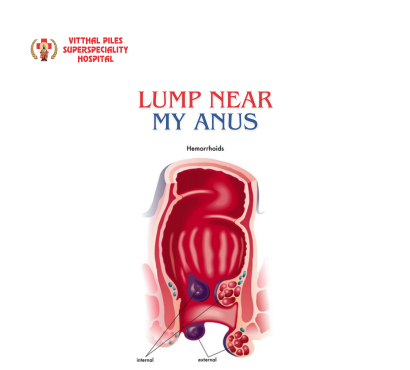
Lump Near My Anus